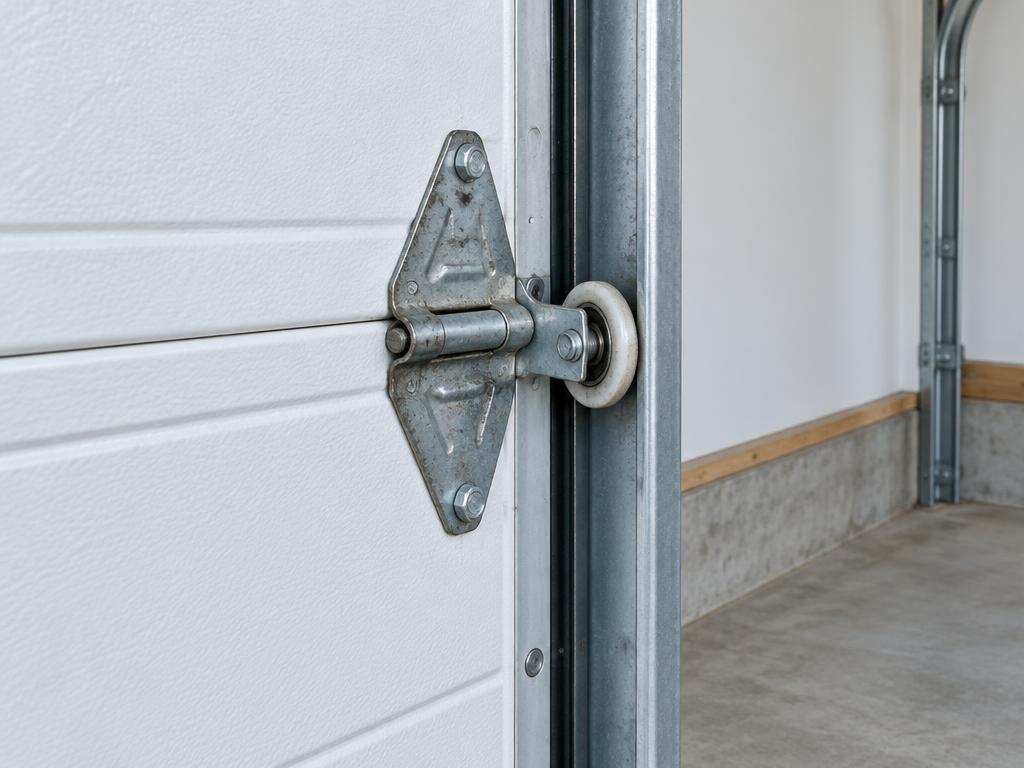
UNDERSTANDING GARAGE DOOR REPAIR NEEDS
Professional garage door repair in Toronto starts with the whole system, not just the part that looks damaged. A residential overhead door depends on panels, lifting hardware and an opener working together, so a hesitation can have several causes. A garage door balance assessment helps distinguish mechanical resistance from a motor problem. Note whether the change began after an impact or developed during ordinary use, but do not operate an unstable door to gather more information. Those observations help frame a useful assessment without treating one symptom as a diagnosis.
Toronto's climate adds another layer to the conversation. Cold winters, salt exposure, and temperature swings between seasons can affect metal components, rubber seals, and the overall balance of a garage door system. Homeowners in detached houses, townhomes, and garages attached to laneway suites all encounter similar wear patterns, even if the specific symptoms differ from one property to the next.
Understanding what garage door repair actually involves can help homeowners describe their situation more clearly when they call for assistance. It is rarely just one single action; it is a category of services addressing the mechanical, electrical, and structural elements that allow a garage door to move safely along its tracks.
COMMON SIGNS A GARAGE DOOR NEEDS ATTENTION
Many garage door problems announce themselves gradually. A door that used to glide along its tracks may begin to hesitate, jerk, or stop partway through its cycle. Unusual sounds such as grinding, popping, or scraping often point to components that are no longer working together the way they were designed to.
Visual cues matter too. A door that appears slightly crooked when closing, gaps that seem uneven along the sides, or a door that reverses unexpectedly during closing are all signs worth noting. Some homeowners also notice that their remote or wall-mounted control no longer responds as consistently as it once did.
Because garage doors rely on a coordinated system of springs, cables, rollers, tracks, and an opener, a symptom in one area does not always point to the obvious cause. This is one reason a trained technician's assessment can be valuable, since what looks like an opener issue may actually trace back to a spring or track problem.
WHAT CAUSES GARAGE DOORS TO MALFUNCTION
Garage door issues in Toronto homes often stem from a combination of age, usage frequency, and environmental exposure. Metal springs and cables undergo thousands of cycles of tension and release over their lifespan, and this repeated stress eventually leads to fatigue. Rollers that run along tracks can wear down or collect debris, which changes how smoothly the door travels.
Weather plays a noticeable role as well. Freezing temperatures can cause metal to contract, moisture can lead to corrosion on hardware, and road salt tracked into a garage can accelerate rust on exposed components. Humidity changes between seasons can also affect wood panel doors, sometimes causing warping over time.
Everyday use, including how often the door is opened and closed, whether children or pets interact with the controls, and whether the door has ever been struck by a vehicle, all contribute to the overall condition of the system. Recognizing these contributing factors helps explain why garage doors of a similar age can be in very different states of repair.
THE IMPORTANCE OF PROFESSIONAL ASSESSMENT
Garage doors are heavy, spring-loaded systems, and the components involved carry significant tension. Because of this, diagnosing and addressing issues is a task best left to someone trained in how these systems work together. A professional assessment typically starts with observing the door in motion, checking the balance, and inspecting the condition of springs, cables, rollers, and tracks.
Technicians also look at the opener unit itself, including its mounting, the condition of its drive mechanism, and whether its safety sensors are aligned correctly. Safety sensors are a standard feature required on residential garage door openers, and manufacturers such as LiftMaster and Chamberlain design these sensors to stop and reverse a closing door when something passes through the sensor beam.
An assessment gives homeowners a clearer picture of what is happening with their door before any work begins, which helps set realistic expectations about what the repair process will involve.
WHY GARAGE DOOR REPAIR SHOULD NOT BE A DIY PROJECT
Garage door systems contain parts under significant mechanical tension, particularly torsion springs mounted above the door and the cables connected to them. Because of the forces involved, the Consumer Product Safety Commission and garage door manufacturers both caution homeowners against attempting repairs on these spring-loaded components without proper training and tools.
Beyond the springs, electrical components within the opener, the alignment of tracks, and the structural connections of panels all require specific knowledge to handle appropriately. Attempting to adjust or replace these parts without understanding how the system is engineered can create additional safety concerns for anyone nearby.
For these reasons, garage door repair is generally approached as a task for trained technicians rather than a weekend project, even for homeowners who are otherwise comfortable with general home maintenance.
WHAT TORONTO HOMEOWNERS CAN EXPECT FROM THE REPAIR PROCESS
When a technician arrives to evaluate a garage door, the process usually begins with a conversation about what the homeowner has noticed, followed by a hands-on inspection of the door and its components. This includes checking the tension and condition of springs, the state of cables and rollers, the alignment of tracks, and the function of the opener and its safety features.
Based on this inspection, the technician can explain which components appear to be contributing to the issue and what the repair would involve. Because garage door systems vary by brand, age, and configuration, the specific steps can differ from one home to another, even when the reported symptom sounds similar.
Homeowners are encouraged to ask questions throughout this process, including what caused the issue, what the repair addresses, and what signs to watch for going forward to understand how their system is functioning over time.
MAINTAINING YOUR GARAGE DOOR BETWEEN REPAIRS
While some garage door issues develop suddenly, many can be noticed earlier through simple observation. Paying attention to how the door sounds and moves during daily use, checking that the remote and wall control respond consistently, and visually inspecting the tracks and rollers for visible debris or buildup can all help homeowners stay aware of their door's condition.
Keeping the tracks clear of dirt and leaves, particularly in the fall when debris accumulates around a Toronto garage, can support smoother movement. Homeowners should avoid applying excessive force to a door that feels stuck, since forcing a door that is not moving freely can place additional strain on already stressed components.
Noticing changes early and discussing them with a technician before they progress can be part of a broader approach to understanding how a garage door is holding up over the years.
GARAGE DOOR REPAIR FOR DIFFERENT DOOR TYPES
Toronto homes feature a range of garage door styles, including traditional raised-panel steel doors, carriage-style doors, and wood doors on older properties. Each material and design responds differently to wear. Steel doors are generally resistant to warping but can dent, while wood doors may be more susceptible to moisture-related changes in shape.
Insulated doors, which are common in attached garages connected to living space, include an additional layer that affects how the door is constructed and how panels fit together. This can influence the approach a technician takes when inspecting or repairing a specific section of the door.
Because of these variations, describing the type of door, its approximate age, and the manufacturer, when known, can help set the stage for a more informed conversation about the repair needed.
REPAIR DECISIONS WITHOUT GUESSWORK
Ask what evidence connects the observed symptom to the recommended repair. A grinding sound and a bent section may need different solutions, even when both make the door difficult to use. Request a clear explanation of the affected components and how the proposed work will be checked afterward. If replacement is also being considered, compare its scope with the repair rather than comparing only the headline price.
Before arranging a visit, describe whether the issue is intermittent or consistent, and whether anything changed before it started. A recent impact, unusual noise or power interruption can provide useful context. These observations are not a diagnosis, but they can make the assessment conversation more focused. Keep the door unused if it appears unstable, and never recreate an unsafe movement simply to demonstrate the problem.
A noisy garage door repair should address the source of the sound rather than mask it with lubricant. Ask whether garage door track alignment, roller wear or loose connections explain the grinding you noticed. Garage door safety sensors deserve a separate check when closing reverses unexpectedly: a blocked beam and a binding door need different solutions. Request a record of the inspection findings and any unresolved concerns, so you understand which work addresses the original issue and which recommendations relate to future care.
GETTING IN TOUCH WITH GARAGE DOOR STANDARD
A door that hesitates, reverses or scrapes deserves an explanation based on the actual system, not a guess from one symptom. Call 647-560-8374 to discuss garage door repair in Toronto, or use the form below to leave your observations. Mention the door type, approximate age and whether the issue began after a particular event. Availability and coverage will need confirmation before any visit is arranged.
When comparing Toronto overhead door service options, ask for a written scope covering the affected parts, agreed cost and operating checks. Broken garage door repair may involve more than replacing a visible component if surrounding hardware has also been strained. Residential garage door maintenance can then be planned around the manufacturer's guidance and the door's actual use. Keep the component identifiers and care instructions after the visit; these are more useful than an unexplained list of replacements. Availability, coverage and any product terms require confirmation before work is arranged.
Images are illustrative; product details, pricing and availability require confirmation.