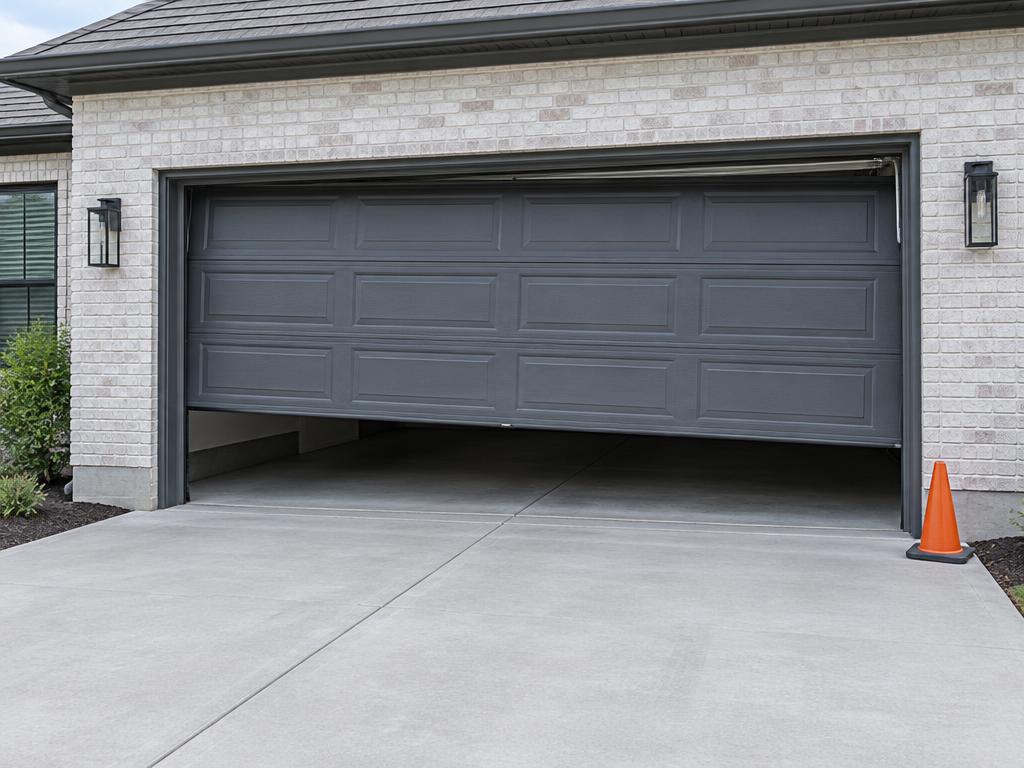
WHAT QUALIFIES AS A GARAGE DOOR EMERGENCY
Emergency garage door service in Toronto begins with describing an unsafe or unusable door and confirming whether assistance is available. A garage door stuck open can expose the garage and create a hazard beneath the opening, while a garage door stuck closed may prevent normal vehicle access. Neither situation should be forced to demonstrate the problem. Keep people and vehicles clear of damaged hardware and explain the door's current position when calling. An inquiry is not an appointment, and this page does not promise continuous attendance or a particular arrival time.
These situations differ from routine wear in that they tend to happen suddenly and leave the door unusable or potentially unsafe until addressed. A door stuck halfway open, for example, can be both an access issue and a safety concern if it is left in that position.
Recognizing the difference between a gradual issue, such as a door that has been getting noisier over several weeks, and a sudden emergency, such as a cable snapping during use, helps homeowners decide how urgently they need to reach out for assistance.
COMMON EMERGENCY SITUATIONS
A broken torsion or extension spring is one of the more common emergency scenarios, often announced by a loud bang and followed by a door that becomes very heavy or will not move at all. A snapped cable can cause the door to hang unevenly or become stuck partway through its travel.
A door that has derailed, meaning one or more rollers have come off the track entirely, can leave the door jammed at an angle and unable to complete its normal motion. Opener malfunctions, such as a unit that will not respond to any remote or wall control input, can also leave a door stuck closed or open.
In some cases, impact damage from a vehicle collision can bend a track or panel severely enough that the door cannot be safely operated until it is assessed.
IMMEDIATE SAFETY STEPS BEFORE HELP ARRIVES
If a garage door becomes stuck, makes an unusual loud noise, or appears visibly damaged, the safest first step is to stop attempting to operate it, whether manually or through the opener, and keep people and vehicles clear of the door's path. Continuing to force a door that is not moving properly can increase strain on already compromised components.
If a spring or cable has visibly broken, it is best to avoid touching the broken component, since these parts can be under tension even after breaking. Keeping children and pets away from the immediate area of the garage door is a reasonable precaution until the situation has been assessed.
If the opener's manual release has already disconnected the door from the motor and the door is resting in a stable position, it is generally safer to leave it as is rather than attempting to force it closed or open by hand.
WHY CONFIRMING AVAILABILITY BY PHONE MATTERS
Because availability for emergency situations can vary depending on the time of day, current workload, and location within Toronto, confirming whether assistance can be arranged starts with a phone call to 647-560-8374. This allows the person answering to ask about the specific nature of the emergency and let you know what options may be available at that time.
Describing the situation clearly over the phone, including whether the door is stuck open or closed, whether a spring or cable has visibly broken, and whether the garage is accessible, helps set expectations for what to anticipate.
Rather than assuming availability, reaching out directly by phone is the most reliable way to understand what can be arranged for a specific emergency situation in your Toronto neighbourhood.
WHAT INFORMATION TO HAVE READY WHEN YOU CALL
When calling about a garage door emergency, it helps to have some basic details on hand, including the address of the property, the approximate age of the garage door and opener if known, and a description of what happened leading up to the issue, such as a loud noise or sudden stop in the door's movement.
Letting the person on the phone know whether the door is currently stuck open or closed can be important, since this affects both the urgency of the situation and whether the garage can be secured in the meantime. Mentioning whether anyone attempted to operate the door after noticing the issue can also provide useful context.
Having the make and model of the door or opener, if visible on a label inside the garage, can help the conversation move along, though this information is not always necessary to begin discussing the situation over the phone.
SECURING YOUR GARAGE IN THE MEANTIME
If a garage door is stuck in an open position and cannot be safely closed, consider whether valuables inside the garage should be moved to a more secure area of the home, if this can be done without attempting to force the door itself. If the door is stuck closed and a vehicle is trapped inside, this detail is worth mentioning during the phone call so it can be taken into account.
Placing a visible marker, such as a cone or sign, near a door that is stuck in a position that could be a hazard to pedestrians or vehicles can help reduce the chance of someone accidentally bumping into it while it is in an unusual position.
These steps are about managing the immediate situation safely rather than attempting any mechanical fix, since the underlying issue still needs to be assessed and addressed appropriately.
HOW AN EMERGENCY VISIT TYPICALLY PROCEEDS
Once availability has been confirmed by phone, the technician arriving on-site typically begins by assessing the specific issue that caused the emergency, whether that is a broken spring, a snapped cable, a derailed door, or an opener malfunction. This assessment helps determine what repair steps are needed to restore safe operation.
The technician explains what they have found and what the repair will involve before proceeding, giving the homeowner a chance to understand the situation. Depending on what is required, this may involve replacing a spring or cable, realigning tracks and rollers, or addressing opener-related components.
Throughout the visit, the priority is restoring the door to safe, functional operation, with the technician checking the door through several open-and-close cycles once repairs are complete to confirm it is moving as expected.
REDUCING THE CHANCES OF A FUTURE EMERGENCY
While not every emergency can be anticipated, paying attention to early warning signs, such as increased noise, a door that feels heavier than usual, or visible wear on springs and cables, can sometimes help catch an issue before it becomes a sudden emergency.
Keeping the area around the garage door tracks reasonably clear of debris and periodically noticing how the door moves during regular use are simple habits that may help homeowners stay aware of their door's condition over time.
For components known to wear under tension, such as springs and cables, being aware of their approximate age and discussing their condition during a general inspection can be a useful part of staying ahead of a potential future emergency.
PREPARING FOR AN URGENT ASSESSMENT
When a door is unsafe, describe the visible position and the immediate concern when calling. Explain whether a vehicle is trapped, whether an alternative entrance is available and whether people can be kept clear. These details help clarify what assistance is needed without encouraging another attempt to operate the door. Do not stand beneath an unsupported section or attempt to reconnect a displaced cable.
Emergency service availability, attendance timing and any additional charges need confirmation by phone. Submitting the form does not establish that someone is on the way. If the door creates an immediate threat to people or another emergency such as fire is involved, contact the appropriate emergency services. For a mechanical door issue, keep the area isolated and ask what temporary precautions are appropriate until a qualified assessment can be arranged.
Off-track garage door repair requires professional assessment of the displaced rollers, tracks and supporting hardware. Broken spring assessment or snapped lifting cable repair may also be needed when the door hangs unevenly, but its position alone does not identify the fault. Do not disconnect the opener, reconnect a cable or stand beneath an unsupported section. Describe any visible damage from a safe location and mention whether an alternative entrance is available. If people are injured or in immediate danger, contact the appropriate emergency services rather than relying on a service inquiry.
GETTING IN TOUCH WITH GARAGE DOOR STANDARD
For a stuck, displaced or visibly unsafe garage door, call 647-560-8374 and confirm whether assistance is available for your location. Describe the immediate hazard and keep the door unused. The form below can record an inquiry, but it is not an emergency dispatch channel and does not guarantee attendance. Ask about availability and the scope of the proposed assessment before expecting a visit.
Urgent overhead door assessment should establish the immediate risks before any attempt to restore movement. Residential garage door safety takes priority over retrieving a trapped vehicle, so avoid manual lifting or makeshift supports on a damaged system. A garage door opener failure may need separate diagnosis once the door's mechanical condition has been checked. Confirm attendance availability, scope and any charges by phone before expecting a visit. After an assessment, keep a record of the findings, recommended repairs and any restrictions on using the door until work is completed.
Images are illustrative; product details, pricing and availability require confirmation.